
Tarot for self-reflection
Tarot for self-reflection treats each card as a prompt to notice what you already feel, not a forecast of what will happen. It is one of the most approachable tools for introspection, journaling, and quietly getting to know yourself, and it is exactly how Auspice uses the cards.
Can tarot be used for self-reflection instead of fortune-telling?
Yes, and for many readers it is the whole point. When you stop asking the cards what happens next and start asking what a card reflects back, tarot turns into a structured way of paying attention. Each card is a rich image with a set of themes, and drawing one is a bit like being handed a well-chosen question. You are not learning the future; you are noticing the present more clearly. That reframe, from prediction to reflection, is what makes tarot genuinely useful for personal growth.
Why does reading images help you think?
The cards work because images bypass the tidy stories we tell ourselves. A picture of someone walking away from eight cups, or balancing two coins, lands somewhere more honest than an abstract question would. You project onto the image, and what you project is the reflection. That is not magic; it is the same reason a good metaphor can unlock a feeling you could not name directly.
How do you do a daily one-card reflection?
The daily draw is the heart of a reflective practice, and it takes two minutes. Pull one card, describe what you see, ask where it shows up in your life today, and write one honest line. Do it most days and the practice compounds: the cards become familiar, and your own recurring themes start to surface.
- 1Draw one cardShuffle with an open question in mind and pull a single card. One image is enough to reflect on.
- 2Describe what you seeBefore any meaning, say what is literally in the picture and the mood it carries. Your first impression is data.
- 3Ask what it mirrorsRead the card as a prompt: where in my life does this show up right now? Let it point rather than predict.
- 4Write one honest lineJournal a sentence or two. Naming it is most of the work; the card just gives you the angle.
- 5Return to it laterOver days and weeks, notice which cards keep appearing. Recurring cards are your own patterns, surfacing.
What journaling prompts work with tarot?
Let the card set the prompt. Good openers: “where in my life does this card show up right now?”, “what is this card asking me to face, or to release?”, and “if this card were advice, what would it be telling me?” Auspice gives every card its own reflective question to sit with, so you are never staring at a blank page. You can look any of them up in the card library.
What is a good self-reflection spread?
Start with a single card, then grow into a small spread when you want more texture. A Mind, Body, Spirit spread is a gentle way to check in with yourself, and a Situation, Action, Outcome spread helps you think a decision through without pretending to know the ending. The full spread library is organised from simple to deep.
How do you do shadow work with tarot, safely?
Shadow work means using the cards to look at the parts of yourself you usually avoid, and it asks for a light touch. Pull a card with a question like “what am I not letting myself see?”, and meet whatever comes up with curiosity rather than judgement. Go slowly, keep it kind, and stop when it stops feeling useful. Tarot can open a door to self-understanding, but it is a companion to that work, not a therapist.
Is tarot a substitute for therapy?
No, and it is important to be clear about this. Tarot is a reflective and creative tool. It can support self-awareness, journaling, and a calmer relationship with your own thoughts, but it is not treatment and it is not a substitute for professional mental health care. If you are struggling, please reach out to a qualified therapist or, in a crisis, a local helpline.
Frequently asked questions
Can tarot be used for self-reflection instead of fortune-telling?
Yes, and it is arguably what tarot does best. Used for reflection, the cards give you images and questions to think with, a way to see your situation from a new angle. Nothing is being predicted; you are being prompted to notice what you already feel and know.
How do you use tarot for journaling?
Pull one card, write down what you see in the image, then answer the question the card raises for you. A single card and a few honest lines each day builds a record you can look back on, where your own patterns start to show.
What is shadow work in tarot?
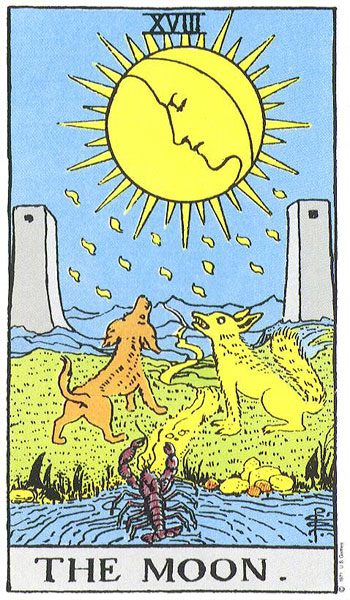
Shadow work uses the cards to look gently at the parts of yourself you tend to avoid: a fear, a habit, a story you keep telling. Cards like the Moon, the Devil, or a reversed court card can open that door. The aim is understanding and self-compassion, not self-criticism, and you can stop whenever it stops feeling useful.
Is tarot a substitute for therapy?
No. Tarot is a reflective tool, not treatment. It can support self-awareness and journaling, but it is not a substitute for professional mental health care. If you are struggling, please reach out to a qualified therapist or a crisis line.
Which tarot cards are best for self-reflection?
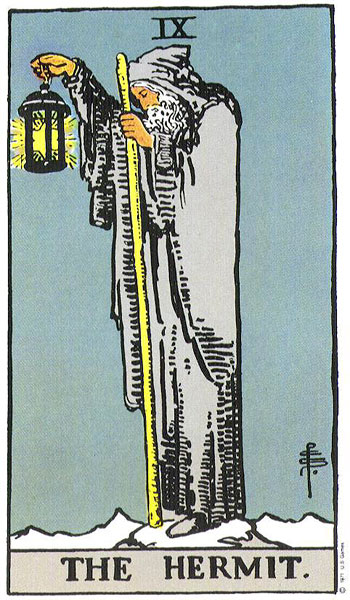
Any card works as a mirror, but the Major Arcana speaks most directly to inner themes. Many readers find the High Priestess, the Moon, the Hermit, and the Star especially rich for introspection. The card you actually draw is the right one to sit with.