The tarot court cards explained
The 16 court cards, a Page, Knight, Queen, and King in each suit, usually stand for people, personalities, or a way of being you are growing into. The rank sets the maturity and stance, and the suit sets the flavour. Here is what each rank means, and the four cards that carry it.
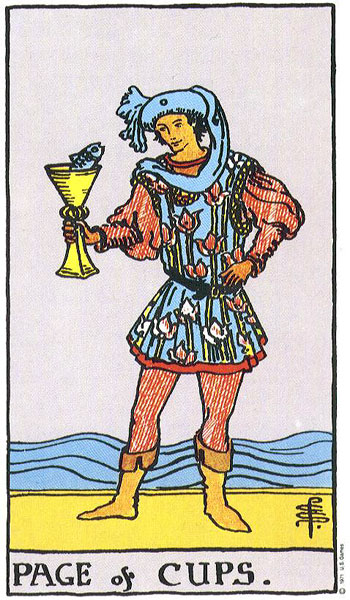
The Pages
The student and the messenger. Curiosity, a beginner's openness, news arriving, the first stirrings of the suit's energy.
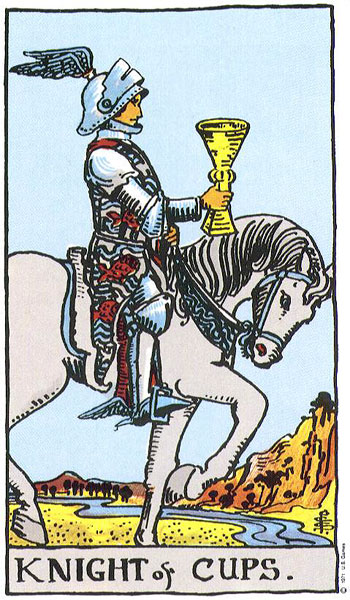
The Knights
Action and pursuit. Each Knight takes its suit to an extreme and carries it out into the world, for better or worse.
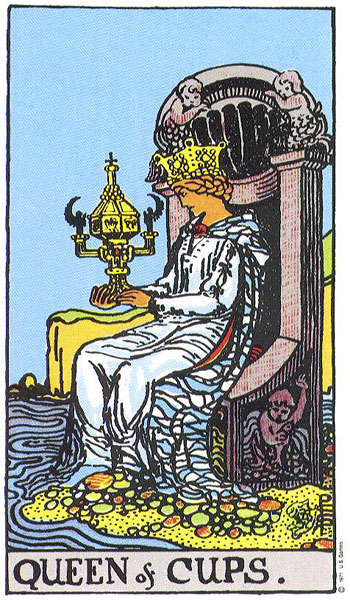
The Queens
Inward mastery. The Queen holds her suit's energy deeply and from within, nurturing and understanding it rather than broadcasting it.
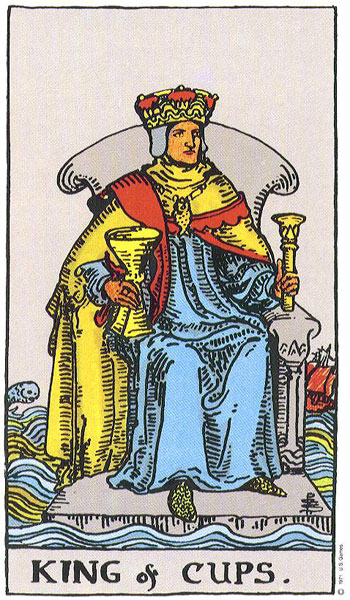
The Kings
Outward mastery. The King directs his suit's power into the world with authority and steadiness, the energy fully grown up.
Common questions about the court cards
What do the tarot court cards mean?
The 16 court cards, the Page, Knight, Queen, and King of each suit, most often represent people or personalities, or a way of being you are stepping into. The rank sets the maturity and stance; the suit sets the flavour. A Queen of Cups is emotional depth held from within; a Knight of Swords is thought charging into action.
How many court cards are in a tarot deck?
Sixteen: a Page, Knight, Queen, and King in each of the four suits (Wands, Cups, Swords, and Pentacles). They make up part of the 56-card Minor Arcana.
Do court cards represent real people?
Sometimes. A court card can point to a specific person in your life, to a side of yourself, or to a quality the situation is asking you to embody. Read it as reflection, not as a fixed identity: ask who this reminds you of, or where you could bring this stance.
What is the difference between the Queen and King of a suit?
Both are masters of their suit, but they hold it differently. The Queen embodies the energy inwardly, understanding and nurturing it; the King expresses it outwardly, with authority and direction. Neither outranks the other as a way of reading.